
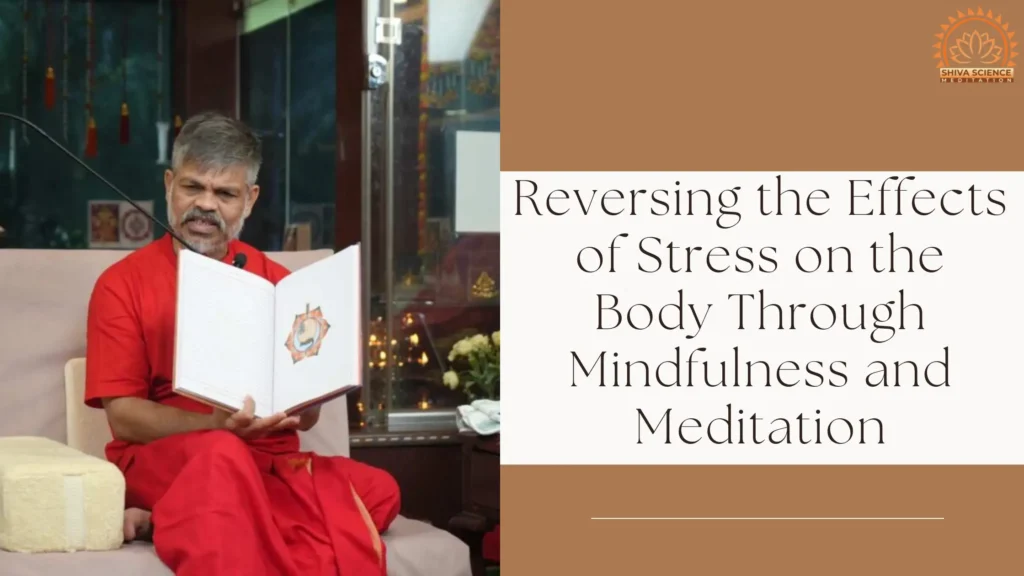
Reversing the Effects of Stress on the Body Through Mindfulness and Meditation
In this rapid-paced modern life, stress has become our companion. No matter whether it’s your professional commitment or personal priorities, stress and anxiety follow us everywhere. Although we often overlook stress as a mental aspect, in reality, it is a profound biological event that affects both our physical and mental state. When faced with perceived danger, the ancient “fight-or-flight” response is activated. In such a state, our body begins to produce two primary hormones, such as cortisol and adrenaline, and as a result, our health begins to get dismantled, our sleep cycle gets disturbed, and our immunity weakens. So, it is crucial to keep in mind that stress is not just in our minds, but it changes our bodies entirely from within. This is where mindfulness and meditation emerge as powerful and evidence-based interventions. These practices are not mere relaxation techniques; they are tools for neurobiological repair. Here in this blog of Shiva Science, we will dive into the ways of reversing the stress effects on the body.
What is Stress?
As per the National Institute of Mental Health, stress in reality is the response of the body and brain to change. On the other hand, it can be considered as the human body’s natural defense against danger, which is brought about by a particular incident or event. Often, extreme stress leads to depression, and it demands immediate clinical intervention for complete relief. In certain cases, stress becomes a chronic condition that can cause chemical changes in the body, which may raise blood pressure and blood sugar levels. However, long-term stress causes serious physical and mental problems.
How Does Stress Change the Brain and Body?
Chronic stress hyper-activates the Sympathetic Nervous System, often called the body’s accelerator. As a result, the body begins to produce higher amounts of the cortisol hormone, which proves to be dangerous for the body. Under its impact it, the human body begins to witness systemic inflammation, metabolic disruption, and immunity suppression. Besides that, chronic stress shrinks the prefrontal cortex while enlarging the amygdala part which makes us more reactive and less rational.
How Mindfulness and Meditation Help to Reverse Stress Effects On the Human Body?
When it comes to stress and anxiety effects on health, mindfulness acts as an antidote. Mindfulness is mainly the practice of maintaining a sense of awareness of our thoughts, feelings, and bodily sensations. The major benefit associated with mindfulness is that it immediately activates the Parasympathetic Nervous System or PNS. Mindfulness practices, particularly slow, deliberate breathing, enhance vagal tone. It also aids in the process of lowering the heart rate, reducing blood pressure, and initiating the rest and digest state. On the other hand, the regular practice of mindfulness is absolutely beneficial and encourages neuroplasticity. This practice also enhances the density in the areas associated with attention, self-awareness, and emotional regulation. It takes part in shrinking the size of the amygdala, reducing chronic fear responses.
Meditation Techniques For Physical Repair
Stress, whether chronic or sudden, leaves an indelible impact on the human body. However, meditation, being a formal practice of mindfulness, takes part in utilising the special techniques for complete healing. Here are some of the meditation techniques that alleviate the pain stemming from stress, while controlling the physical damage.
Chakra Meditation:
First in the list comes chakra meditation, which is considered to be the most reliable way of interrupting the sleep cycle. In chakra philosophy, each of the seven main chakras is associated with specific nerve bundles, organs, and endocrine glands. Focusing on the root chakra at the beginning of this practice, you can keep your sympathetic nervous system completely calm and grounded. Thereafter, balancing the heart chakra through visualisation and other techniques improves the energy flow to the thymus. Just like general mindfulness practices, chakra meditation relies on utilising deep and slow breathing to regulate the stress response.
Chakra meditation practices are known for a structured focus that diverts the mind from stress-inducing thoughts. During our chakra meditation classes in Goa, our param pujjya bhaiyaji recommends that the attendees carefully follow each step in order to overcome stress and anxiety. To him, anxiety comes from our present-day dissatisfaction with something, and it affects our overall health. Only through meditation and mindfulness healing can people come out of this state.
Loving-kindness Meditation:
Loving-kindness meditation, in reality, is a practice that involves feelings of kindness and warmth. The research clearly suggests that cultivating positive emotions through this practice can modulate immune responses and reduce cellular inflammation, helping to reverse the immune suppression caused by chronic stress.
Stress Effects On the Body FAQs
Q1. Can chakra meditation help with stress-related issues?
Yes, chakra meditation by focusing on breathing and the seven chakras of the human body can unblock the blocked chakras for streamlining the flow of energy. To deal with stress-related issues, you can rely on chakra meditation techniques.
Q2. Which meditation practice is best for minimising the stress effects on the body?
Chakra meditation is undoubtedly the best practice for minimising the stress effects on the body. Besides that, it prepares our body to reverse the effects stemming from elevated stress levels.
Q3. Can meditation help with physical tension?
Yes, meditation calms the body and mind. In this way, it eases the physical tension by diverting the mind from stress-inducing thoughts.
Q4. Is mindfulness the same as meditation?
No. Mindfulness is the quality of present-moment, non-judgmental awareness. On the other hand, Meditation is a formal practice.
Concluding Thoughts:
No matter how advanced the world has become, when it comes to breaking free from the vicious cycle of stress, anxiety, and depression, the ancient techniques work best. Both mindfulness and meditation have proven capacities to minimise the stress effects on the body and to restore health from within. Through meditation practices, it is possible to reverse the neurobiological impact on the body. So, if you are having difficulty fighting stress and depression, the best way is to resort to meditation practices. The investment of a few minutes a day yields decades of physical and mental resilience. To know more about the meditation practices or to join meditation courses, connect with Shiva Science, the one-stop destination for meditational healing in India.